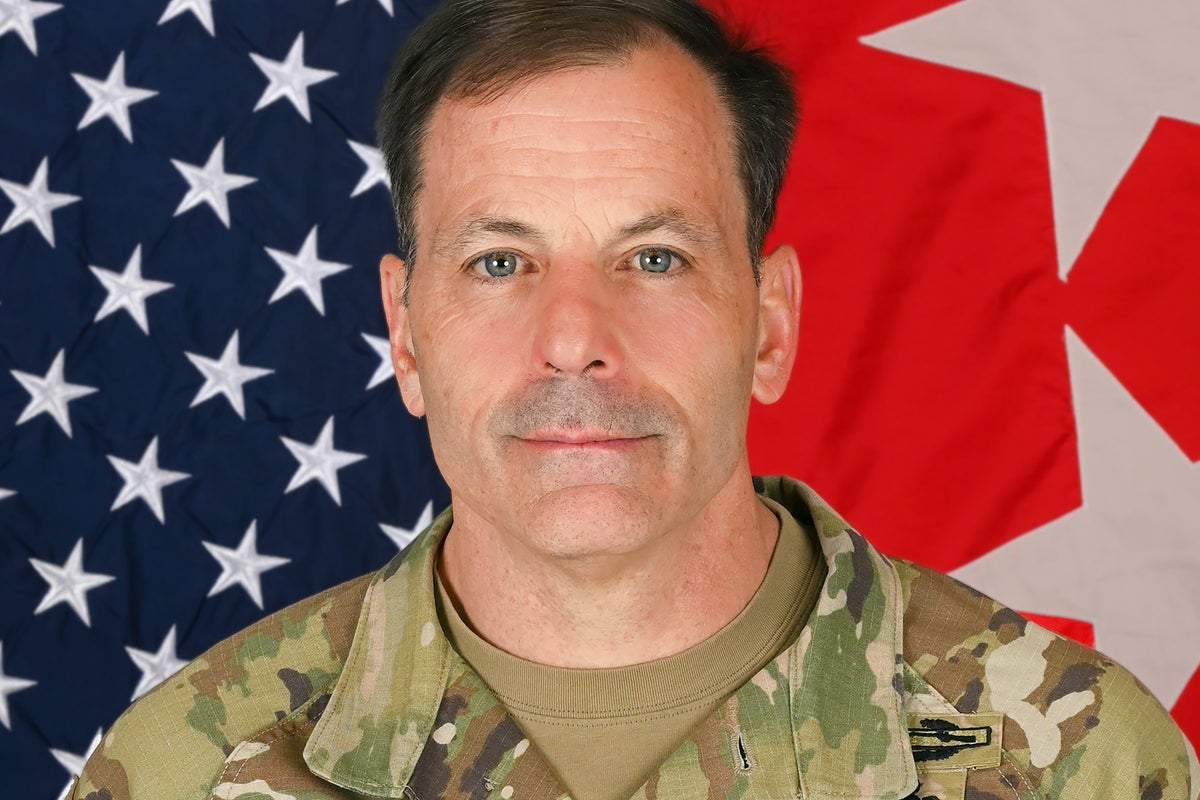
Outgoing U.S. Army General Chris Donahue has reaffirmed the United States’ unwavering commitment to supporting its European allies in defending the Baltic nations. This pledge comes as NATO announces the establishment of an additional headquarters in the region, underscoring the alliance’s heightened dedication to regional security. During a ceremony in Valga, Estonia, General Donahue emphasized that the United States will stand alongside its European allies, saying, “You’re ready to do more and following words with action, and the United States will be there alongside you.” He also stressed the practical nature of deterrence, noting that it is built not with words, but with actions. “That is how deterrence is built: Not with words from a podium, but with boots in the mud,” he declared.
The establishment of a second command zone is designed to allocate more troops specifically to the Baltic states. For the immediate future, two multinational divisions in Estonia and Latvia will fall under the command of the German Netherlands Corps, based in Muenster, Germany. This enhanced posture comes amid warnings from NATO that Russia, which invaded Ukraine in 2022, could potentially launch a large-scale assault on allied territory as early as 2029 if its current military buildup continues. The Kremlin has denied any such intentions.
German Defense Minister Boris Pistorius highlighted the significance of NATO’s adjusted stance, calling it proof of the alliance’s resolve to protect every part of its territory. “It is a visible and strong demonstration of NATO’s unity, readiness, and of our collective determination to defend every inch of Allied territory,” he stated in Valga.
A fully operational army corps typically commands between 40,000 and 60,000 troops, organized into three divisions. In peacetime, such a corps serves as a skeleton command structure, equipped with specialized units such as artillery, air defense, and medics, enabling rapid deployment of forces when necessary. The Multi-National Corps Northeast in Szczecin, established in 2017 following Russia’s annexation of Crimea, has overseen the entire region until now. A military official, speaking anonymously, noted that a second corps dedicated to Baltic defense would allow NATO to achieve “mass at speed.”