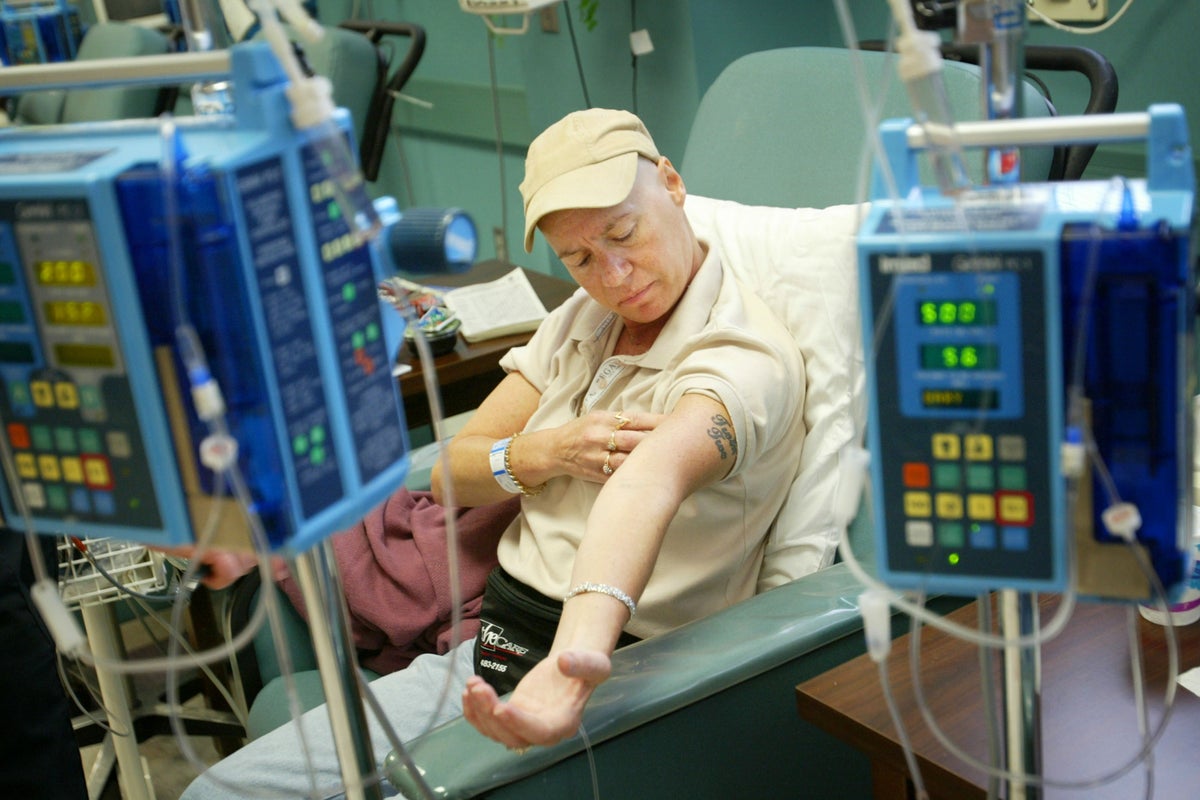
The World Health Organization has warned that cancer cases are projected to double in the next 25 years, with the number of cases around the world potentially reaching 35 million by 2050, up from 20.6 million today. This rapid increase in cancer cases is attributed to both the growing number of people being diagnosed and the rising costs of healthcare. Despite advancements in treatments for many of the 200 types of cancer, survival rates are being hindered by financial constraints.
Cancer is the second leading cause of death in the United States, with around 626,000 people expected to die of the disease this year. The U.S. has better access to essential medicines and makes up a smaller share of global cancer deaths compared to other countries. However, medical care in the U.S. comes with a significant financial burden, contributing to rising cases. The country had the highest spending on cancer care, estimated at nearly $209 billion in 2020.
The financial burden of cancer care can have severe consequences, with approximately 45-60 percent of people diagnosed with cancer experiencing what the WHO calls ‘catastrophic health expenditure’ that can lead to debt, food insecurity, and interrupted education for children. Poorer rural populations have significantly lower access to cancer diagnosis and treatment compared to urban areas, with the number of HPV-related cancer cases higher in rural America than in cities due to limited vaccinations and screenings.
The rising number of cancer cases in the U.S. is also attributed to an aging population. The number of people aged 65 and older will more than double over the next 40 years, increasing the risk of developing cancer. However, some risk factors can be addressed, such as sun exposure, tobacco use, and diet. According to the National Cancer Institute, tobacco use causes 30 percent of all cancer deaths, while a varied diet and regular exercise can help reduce cancer risk.
The WHO emphasizes that nearly 40 percent of new cancer cases are preventable by reducing exposure to modifiable risk factors. Addressing costs and pollution will require government action, but the report suggests that investment in cancer prevention and care is warranted by the substantial and growing economic burden of cancer on societies globally.