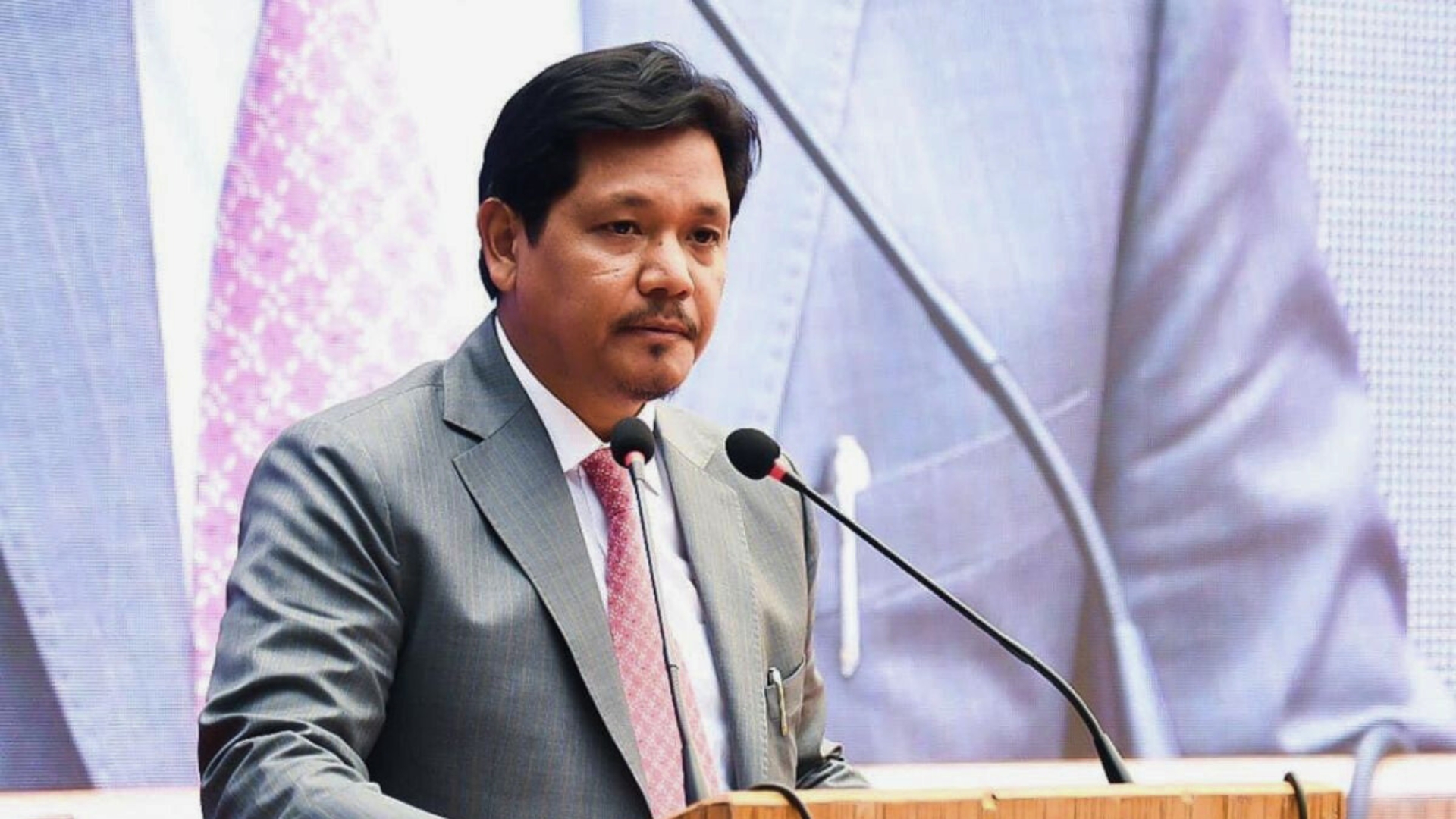
Meghalaya Chief Minister Conrad K Sangma has directed the Education Department to prepare school-specific action plans to improve the state’s performance in the Performance Grading Index (PGI). This decision was made after a review of key indicators affecting Meghalaya’s ranking. Sangma examined ongoing initiatives related to school infrastructure, student welfare, learning outcomes, and data management during a review meeting of the Education Department.
Officials presented an analysis of Meghalaya’s PGI indicators and identified areas where the state continues to lag. The Chief Minister noted that the state’s ranking does not fully reflect the work being undertaken in the education sector and that several shortcomings were linked to reporting and monitoring gaps. To address this, Sangma directed the department to strengthen monitoring mechanisms, improve data reporting, and make greater use of technology to track performance and identify areas requiring intervention.
School-specific assessments highlighting PGI-related gaps have already been shared with educational institutions across the state. Orientation programmes and workshops for principals, teachers, and district officials are also being planned to improve understanding of PGI indicators and reporting requirements. The review also focused on infrastructure gaps in schools, including access to ICT facilities, smart classrooms, science laboratories, libraries, reading corners, art and craft rooms, drinking water facilities, and rainwater harvesting systems.
Sangma asked officials to identify low-cost and phased solutions to help schools meet required standards. The meeting further reviewed measures for strengthening inclusive education, including improving facilities for Children with Special Needs through ramps, accessible toilets, assistive technologies, and teacher training. Student health and welfare programmes also came under discussion, with officials highlighting efforts to strengthen annual health check-ups, nutrition awareness, career counselling, and cyber safety initiatives in schools.
Particular attention was given to adolescent girls’ health and menstrual hygiene, with plans to improve access to sanitary pads, functional toilets, and safe disposal facilities, while also addressing nutrition and anaemia-related concerns. The possibility of promoting biodegradable sanitary pad production through Self Help Groups was also discussed. Sangma directed officials to undertake school-wise assessments to identify requirements related to toilets, drinking water facilities, storage systems, rainwater harvesting, and solar-powered pumping solutions, stressing that interventions should be tailored to local needs.
The Chief Minister also emphasised greater community participation in education and called for stronger engagement between schools and parents through Parent-Teacher Meetings. At the conclusion of the review, Sangma directed the department to prepare a comprehensive roadmap with timelines, funding requirements, and monitoring mechanisms aimed at improving PGI performance, strengthening school infrastructure, and enhancing learning outcomes across the state.