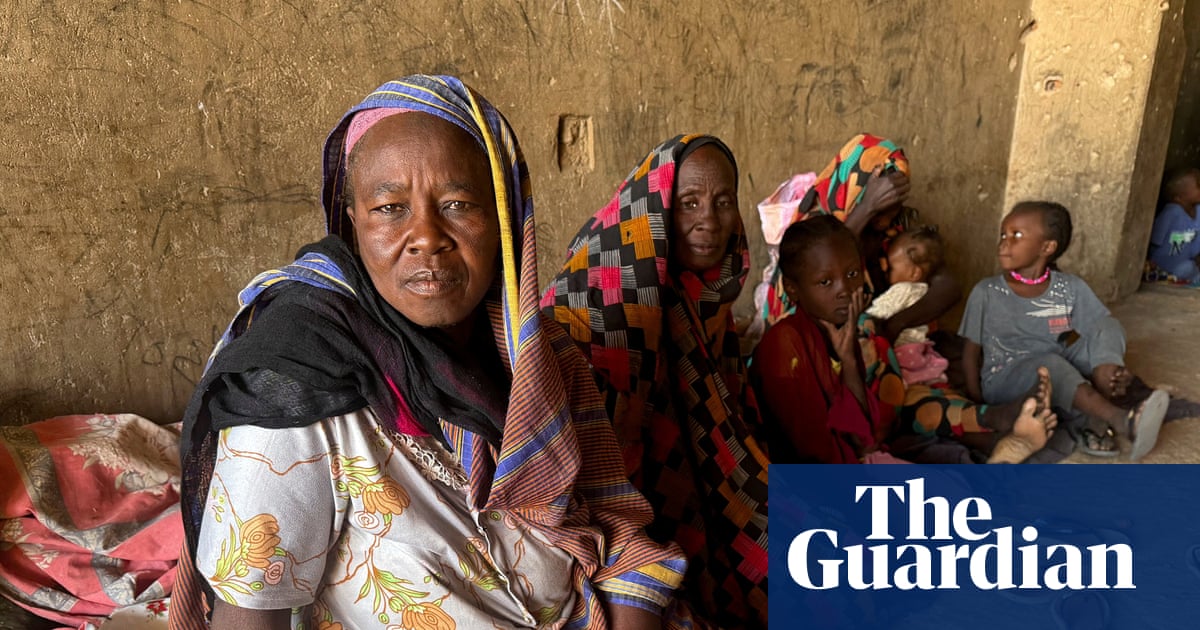
Aid workers in the besieged Sudanese city of El Obeid have described the situation as ‘terrible’ after a series of drone strikes killed more than 20 people, including students, and hit schools and fuel stations. Fatima, an aid volunteer, said the attacks over the weekend were the most violent so far, with drones becoming a norm in the city. ‘Over the past few months, seeing 40 or 45 drones is the norm. You can literally count them,’ she said.
El Obeid, a city of half a million people, is a key battleground in the war between the Sudanese Armed Forces (SAF) and the paramilitary Rapid Support Forces (RSF). The city has suffered repeated drone strikes on its infrastructure, with the army fighting to stop the paramilitary group from setting up another blockade. At least 45 people were killed and 41 injured in 15 drone strikes in the city and surrounding areas from 6 June to 28 June, according to the UN human rights office.
There are growing fears of a repeat of the massacre in the city of El Fasher last year, when RSF fighters went on a rampage after capturing the city at the end of an 18-month siege. The UN high commissioner for human rights, Volker Türk, has warned of an unfolding human rights catastrophe in Sudan, saying ‘the signs from El Obeid are clear and unmistakable.’ Experts have highlighted significant concentrations of RSF troops around the city and warn of an imminent ground offensive. A report by the Yale Humanitarian Research Lab found damage to electricity generation, fuel storage facilities, and the main market consistent with intentional bombardment of civilian infrastructure necessary for the sustainment of life.
The report also noted an increase of more than 700 temporary structures at internally displaced persons camps in El Obeid in one month, consistent with a recent influx of highly vulnerable civilian populations to the city. Nohad Eltayeb, a senior research assistant at the Acled conflict monitoring group, said it had recorded 27 drone strikes last month around El Obeid, the highest monthly total since the start of the conflict in 2023. Ahlam, a humanitarian worker, said residents had become accustomed to pain, loss, and fear from constant drone attacks. ‘In just the past two weeks, nearly every essential service and piece of critical infrastructure has been hit,’ she said.
The war in Sudan began in April 2023 when a power struggle between the SAF and the RSF erupted in violence in the capital, Khartoum. The fighting has killed hundreds of thousands of people and displaced many more, fueled by foreign powers with vested interests who are supporting sides in the conflict. The international community has been called upon to push for the creation of safe corridors for people to flee El Obeid and to prevent atrocity crimes in the city.