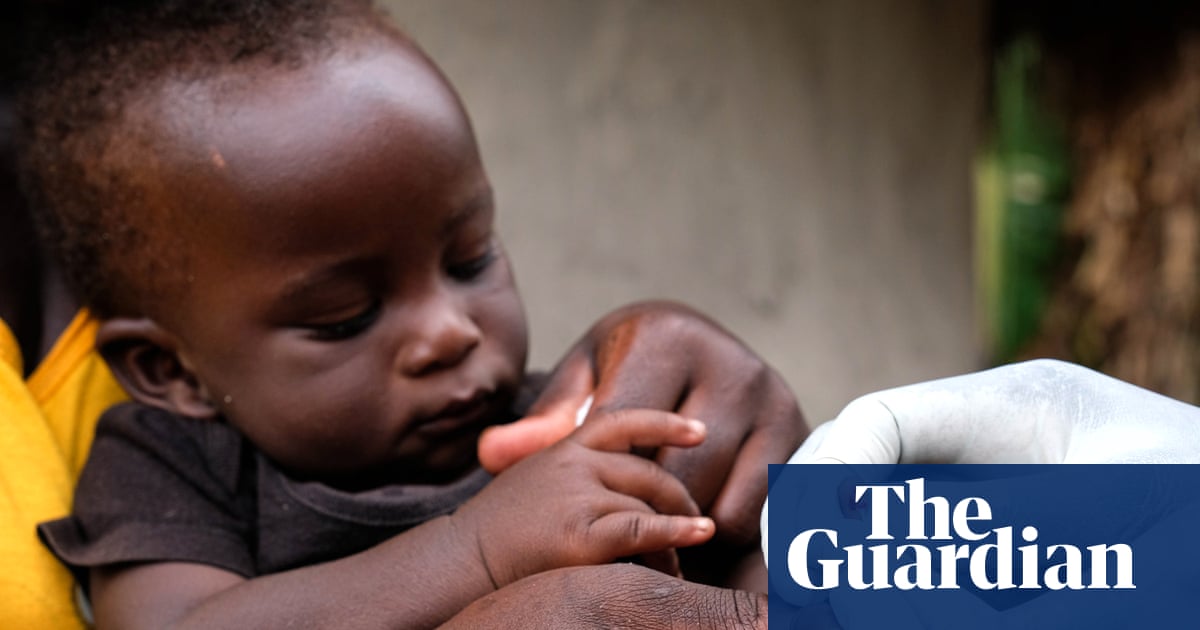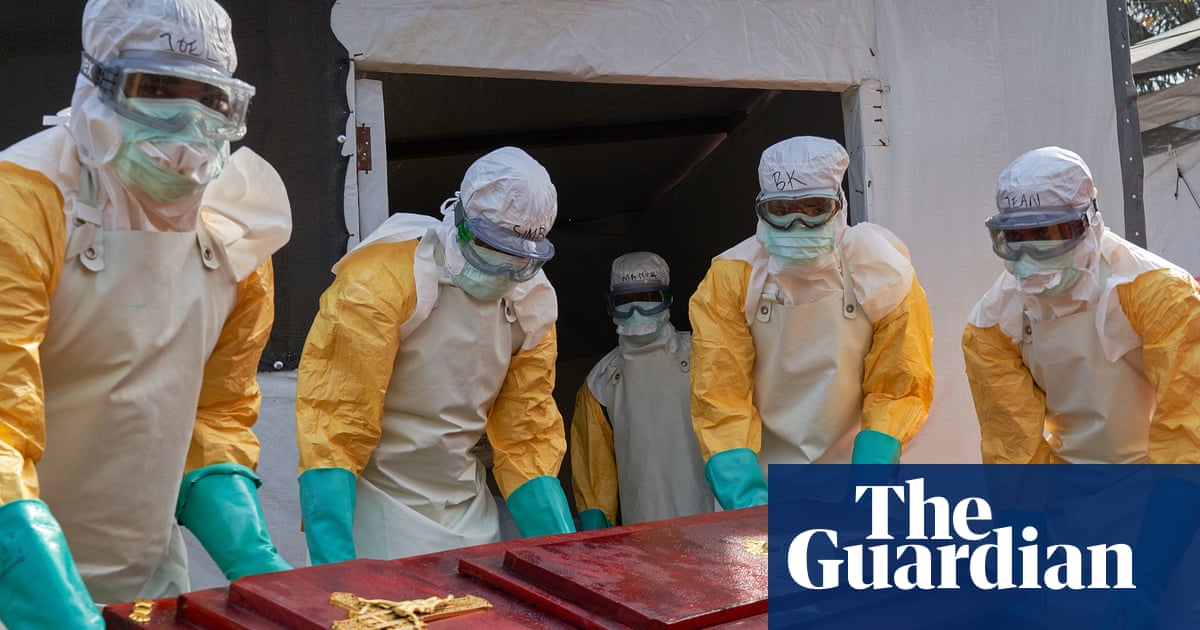
The ongoing Ebola outbreak in the Democratic Republic of the Congo, caused by the Bundibugyo virus, has resulted in over 1,250 cases and at least 362 deaths. This highly fatal pathogen has a sudden onset of symptoms, including headaches, diarrhoea, and internal and external bleeding. The contagiousness of the virus remains even after death, posing a significant risk to family and loved ones who handle the body during funeral preparations.
The current priority is to dedicate resources to combat the outbreak, as there is no proven established vaccine. Health workers are working to isolate patients and trace contacts who may have been exposed. However, once the outbreak is under control, it will be crucial to investigate the origins of the disease to prevent or mitigate future outbreaks.
The Bundibugyo virus is a relative of the more infamous Zaire Ebola virus, which has sporadically caused outbreaks of Ebola virus disease in remote African rainforests since the 1970s, and exploded spectacularly to cause a pandemic in west Africa from 2014 to 2016. Despite this, the Bundibugyo virus remains poorly understood. Fruit bats are often blamed as the source of Ebola outbreaks due to their widespread presence and abundance, but there is currently no conclusive evidence to support this claim.
In fact, historical data suggests that the first human cases of Ebola were linked to exposure to other mammal species, such as forest antelopes, gorillas, and chimpanzees. Determining the transmission patterns of the Bundibugyo virus in tropical forests is a complex task. Scientists must consider various methods, including capturing and analyzing samples from wary canopy-dwelling monkeys, herds of bush pigs, or giant fruit bats.
However, the rarity of the disease and the challenges of conducting research in areas of political unrest and limited infrastructure make it difficult to capture the virus in its natural habitat. Understanding the origins of the Bundibugyo virus is critical to preventing future outbreaks. If we knew how Ebola viruses worked, we could mitigate against them by reducing human exposure or adopting integrated surveillance programs.
Before 2010, the largest Ebola virus outbreaks rarely exceeded 300 cases, but since then there have been three outbreaks where cases are counted in the thousands. The lack of knowledge about the source of the virus not only puts humans at risk but also leads to unnecessary harm to local wildlife. Retaliations against perceived wildlife culprits, such as bat-killing sprees, can exacerbate disease spread and achieve nothing for human health.
The links between humans, wildlife, and environment are crucial to understanding the outbreak, and the ‘one health’ approach recognizes the connections and how they might affect the health of all three components. Optimizing health for one element can simultaneously boost health in another, and this concept can be applied locally anywhere. The burning question is whether this outbreak might provide the incentive to act to try to prevent future epidemics.