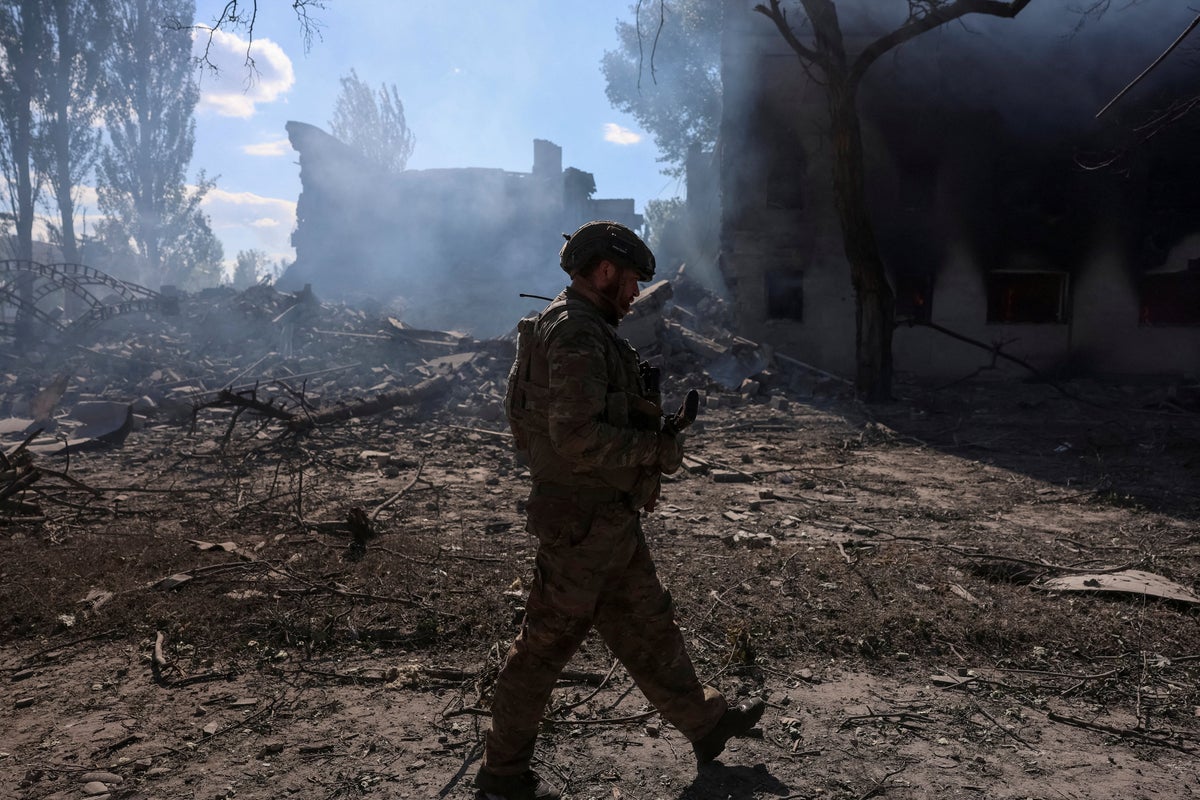
A severe heatwave that has swept across western Europe has reached the frontline in Ukraine, with temperatures soaring to 37C in some areas. Ukrainian troops have been forced to adjust their schedules and strategies to cope with the scorching weather, which has turned their large, steel Soviet-era tanks into sun traps during the day. Commanders say that troops will look to use the heat to their advantage, by targeting Russian supply routes and cutting off water. However, Ukrainian forces need to take extra precaution to avoid overheating and guarantee that their own logistics routes are not disrupted by Russian attacks.
Military analyst Emil Kastehelmi notes that while the heat is unlikely to dramatically change the frontline dynamics, it can cause local changes if one side is trying to specifically gain benefit from it by targeting logistics. The heat will directly affect the intensity of both Russia and Ukraine’s combat operations, boosting the risk of heat exhaustion, heatstroke, and physical fatigue. The demand for water, food, and other resources therefore dramatically increases.
Disrupting enemy logistics routes directly affects the enemy’s combat effectiveness on the frontline, according to the deputy commander of the NC13 Unmanned Ground Systems Strike Unit. The most intense temperatures are set to hit Ukraine’s more southern regions, with areas along the frontline in Kherson and Zaporizhzhia experiencing up to 37C. Even the chillier northern parts of the frontline, including the Kharkiv region, will see temperatures of up to 35C.
The heat has also caused power cuts across Ukraine, as the battered energy network struggles to cope with the high temperatures. Authorities enforced emergency power outages on Monday and Tuesday for industry and homes. The World Health Organisation (WHO) reported that more than 1,300 excess deaths had been recorded since 21 June as a result of high temperatures in Europe.